
All articles
Personal injury·May 20, 2022

Swimming Pools and Other Attractive Nuisances

Swimming Pools and Other Attractive Nuisances

Florida's Attractive Nuisance Doctrine provides that a property owner may be liable when a child wanders onto his property and gets injured by a dangerous condition. Attractive nuisance is a type of negligence that is based on a property owner's liability to maintain his premises in a safe condition.

In general, an owner is liable for a child trespasser's injury if:

  1. he/she knows or has reason to know that the area where a dangerous condition exists can be trespassed by a child,
  2. the dangerous condition poses an unreasonable risk to a child's safety,
  3. the child is too young to realize the risks associated with the dangerous condition,
  4. it is less of a burden to remove the danger than the risk posed to a child, and
  5. the owner fails to either remove the danger or protect the child from the risk of harm.

The following abandoned or discarded items are specifically declared to be attractive nuisances to children by Florida Statute Section 823.08 (because they have air-tight doors):

  • Refrigerators
  • Iceboxes
  • Washers
  • Dryers

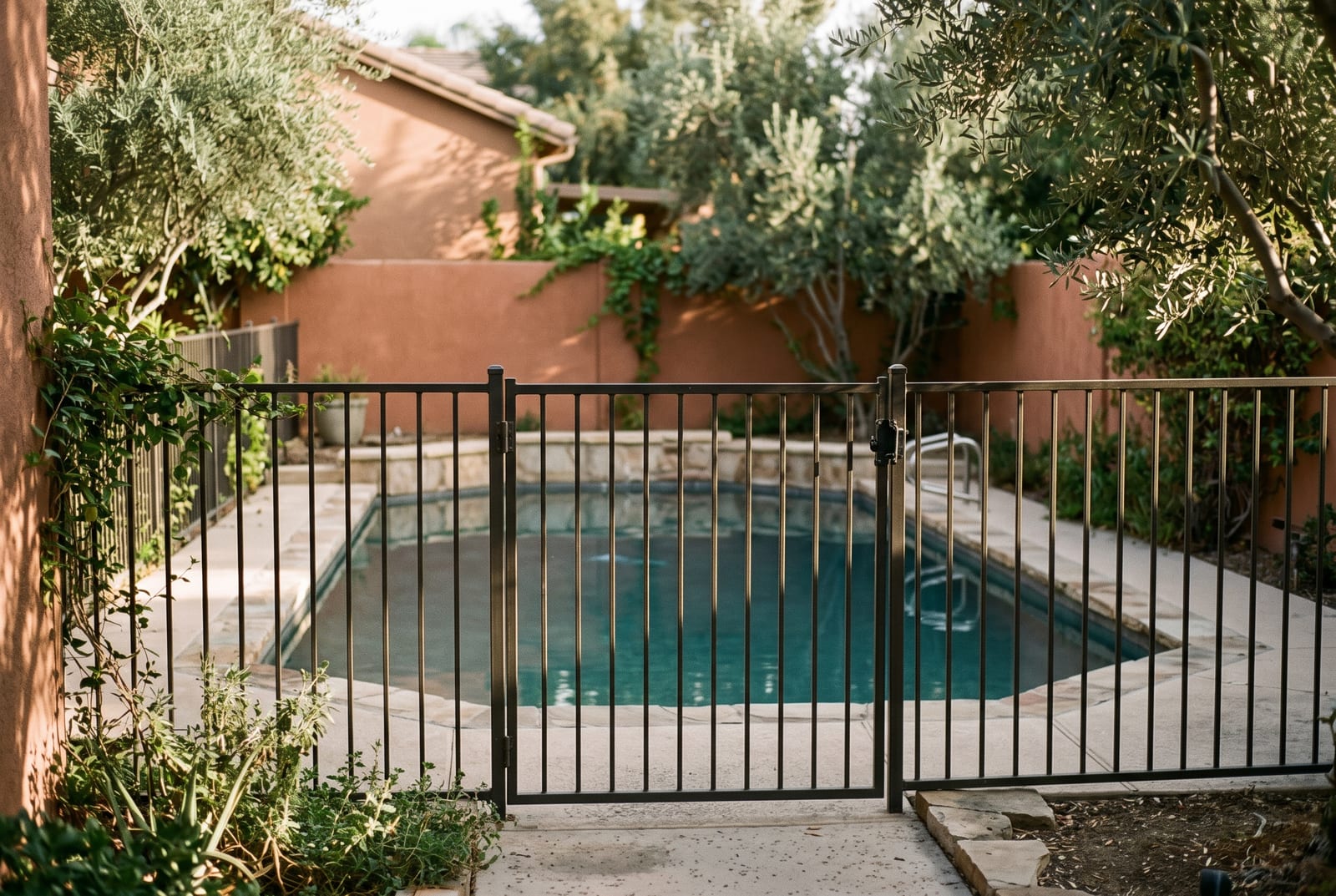
The most dangerous attractive nuisance in the Sunshine State would be swimming pools. Other potential attractive nuisances include lawn mowers, trampolines, and unstable or decrepit structures, such as tool sheds.

It is important to note that an attractive nuisance must be a feature that is man-made (like a playground or pool). A natural feature, such as a lake or a hill, is not an attractive nuisance, so a property owner does not have the same duty to protect children from potential injuries there.

In addition to liability to trespassing children under the attractive nuisance law, a property owner owes all guests on his property a duty of care to maintain it in a safe condition.

The Four Elements of Negligence in Florida
Swimming Pools and Other Attractive Nuisances

Negligence occurs when an individual fails to exercise the level of reasonable care expected to minimize the risk of harm to others. In Florida, negligence laws not only define what constitutes a claim but also outline the types of damages a plaintiff may pursue. The four essential elements of negligence in Florida are duty of care, breach of duty, causation, and damages. Here's a breakdown:

  1. Duty of Care – This refers to the legal obligation a person has to act (or refrain from acting) in a certain way based on their relationship to others. For example, every driver has a duty to operate their vehicle safely and in accordance with traffic laws to protect others on the road. Similarly, a business owner has a duty to take reasonable measures to keep their premises safe for visitors.
  2. Breach of Duty – A breach occurs when someone fails to uphold their duty of care. For instance, a driver breaches this duty by speeding, tailgating, or being distracted while driving. A business owner breaches their duty by neglecting to promptly clean up a spill or fix a leaking freezer that creates a hazard in a walkway.
  3. Causation – Causation links the breach of duty directly to the harm suffered. While it might seem straightforward, determining causation can be complex, especially in cases involving multiple parties or factors. To establish causation, it must be shown that the breach of duty logically and foreseeably led to the injury or damage.
  4. Damages – Finally, the plaintiff must demonstrate that they suffered compensable injuries or losses due to the breach of duty. This can be proven through evidence like medical bills, lost wages, or property damage assessments. Additionally, non-economic damages such as pain and suffering or loss of enjoyment of life are also recoverable under Florida law.

Proving Your Case at Trial

In order to prevail at trial, you must prove the elements above by a preponderance of the evidence (in other words, show that it is more likely than not that the Defendant was negligent). You may need to hire experts, such as medical doctors, to establish the extent of your injuries and the present and future costs of treatment. You will also need to gather evidence concerning the Defendant's allegedly negligent action, which may involve taking statements from him under oath (depositions) or getting physical custody of evidence (through the use subpoenas).

If you or your child has been injured by a swimming pool or other dangerous condition on someone's property, call personal injury attorney John Clarke at (954) 556-8952.

This article is general information, not legal advice. For guidance on your own situation, schedule a free consultation with John Clarke.


From the blog

More on personal injury

Personal injury·August 31, 2023

Suing for Kratom Overdose

Kratom overdose deaths are rising in the US, prompting wrongful death lawsuits against manufacturers for negligence and failure to warn.

Read article
Personal injury·June 6, 2023

2023 Changes to Florida's Personal Injury Laws

Florida's new personal injury law makes it harder for plaintiffs to sue by shortening the statute of limitations and modifying comparative fault rules.

Read article
Personal injury·March 6, 2023

Florida Defamation Law

Defamation is communicating false statements to third parties that harm reputation, subdivided into slander and libel.

Read article
Personal injury·December 12, 2022

Florida Slip and Fall Accidents

Guide to proving slip and fall liability in Florida, covering dangerous conditions, the elements of negligence, and recoverable damages.

Read article
Personal injury·September 29, 2022

Suing for Wrongful Death

Florida wrongful death lawsuits allow estates to recover damages when someone dies due to another's wrongful act, negligence, or breach of contract.

Read article
Personal injury·September 2, 2022

Rideshare Accidents

Florida law requires rideshare companies to carry insurance, but gaps exist that leave passengers financially vulnerable in accidents.

Read article
Personal injury·August 12, 2022

Bicycle Accidents in Florida

Florida is the third most dangerous state for cyclists. Learn what to do after a bicycle accident and understand Florida's bicycle laws.

Read article
Personal injury·August 2, 2022

Defective Products

A guide to product liability law in Florida, explaining defect categories, proof requirements, liable parties, and recoverable damages.

Read article
Personal injury·April 20, 2022

Getting Paid for Your Automobile Accident Injuries

How Florida's no-fault PIP system and bodily injury coverage work after a car accident, and when an injured person can step outside no-fault to sue.

Read article
Personal injury·January 28, 2022

Malicious Lies: Defamation of Public Figures

Why a public figure must prove 'actual malice' to win a defamation case under New York Times v. Sullivan, and how that standard works in Florida.

Read article
Personal injury·January 5, 2022

Getting Compensated for Catastrophic Injuries in Florida

How Florida law treats catastrophic injuries, the categories of damages available, and what makes these personal injury claims different from ordinary ones.

Read article
Personal injury·December 14, 2021

Getting Paid for Pain and Suffering in a Personal Injury Lawsuit

How Florida courts value non-economic damages such as pain and suffering in a personal injury case, and the factors that raise or lower the amount.

Read article
Personal injury·March 25, 2019

Rental Car Accidents in Florida

What to do after an accident in a rental car in Florida, how fault and the elements of negligence are proven, and how injured people recover for their damages.

Read article
Personal injury·March 10, 2019

Electric Scooter Accidents in Florida

Rented electric standing scooters have brought a wave of injuries to Florida cities. Who is liable when a scooter rider is hurt, and how injured riders and pedestrians recover.

Read article
Personal injury

Car Accidents

The elements of a Florida car accident claim and how attorney John Clarke helps accident victims recover for their injuries.

Read article
Personal injury

Motorcycle Accidents

The elements of a Florida motorcycle accident claim and how attorney John Clarke helps injured riders recover for their injuries.

Read article
Personal injury

Negligent Security

Fort Lauderdale negligent security lawyer John Clarke represents injury victims harmed by inadequate property security measures.

Read article
Browse all personal injury articles
Free consultation

Talk to John about your situation

Every situation is different. Get straight answers from an attorney who handles your case personally. The first consultation is free.

✓ Free, no-obligation consultation

Get in touch

Tell John about your situation

No call center and no junior associate. You reach John directly. The first consultation is free, and there is no obligation.

Free and confidential. Submitting this form does not create an attorney-client relationship.

Clarke Law, P.A. office in Fort Lauderdale
Call(954) 556-8952Emailjohn@clarkelawpa.com
Office1975 E. Sunrise Blvd., Suite 626, Fort Lauderdale, FL 33304Get directions
HoursMon to Fri, 9am to 5pm. Evenings and weekends by appointment.

Serving clients across Broward, Miami-Dade, and Palm Beach counties.