
Rental Car Accidents in Florida
What to Do If You Have an Accident in a Rental Car
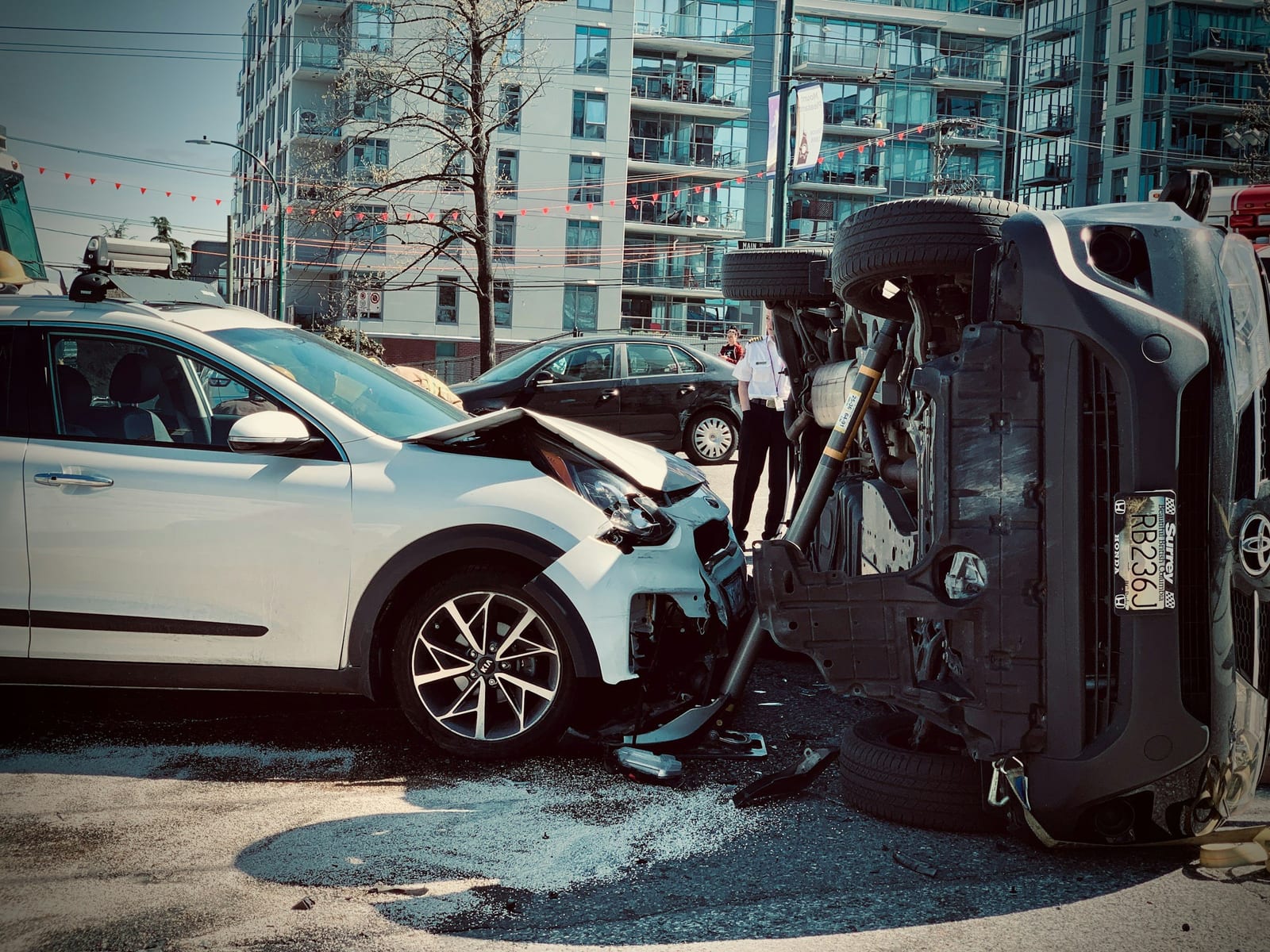
If you are involved in a car accident in a rental car, you should take the following steps to protect yourself:
- Seek medical treatment for the injured parties.
- Report the accident to the police.
- Obtain contact information of the other parties involved in the accident and take pictures.
- Notify your insurance company.
- Notify the rental car company.
As is the case with car accidents in general, the party that caused the accident has liability for injuries and property damage. For this reason, it is important to get the insurance information for all parties involved in the accident.
The twist with rental cars is that Florida law generally allows rental car companies to avoid liability for damage when the party who rents the vehicle gets into an accident. Even if you did not cause the crash, your contract with the rental car provider makes you financially liable for damage to the vehicle.
How the Insurance Process Works in a Rental Car Accident
Florida law requires every driver to have a $10,000 personal injury protection policy to cover injuries and property damage. This policy will generally pay out first in a car accident, regardless of who is at fault. The at-fault party is responsible to pay for additional damages and injuries once this policy is exhausted.
If someone else's negligence caused the accident, contact a personal injury lawyer to help you pursue a claim for compensation.
What Role Does Personal Injury Protection Play in a Rental Car Accident?
Florida requires all personal vehicle owners to carry Personal Injury Protection coverage. PIP coverage generally pays for the damage to the rental car and covers 80 percent of your medical bills and lost wages up to $10,000. The deductible must be paid out of pocket.
The Four Elements of Negligence in Florida
Negligence occurs when an individual fails to exercise the level of reasonable care expected to minimize the risk of harm to others. In Florida, negligence laws not only define what constitutes a claim but also outline the types of damages a plaintiff may pursue. The four essential elements of negligence in Florida are duty of care, breach of duty, causation, and damages. Here's a breakdown:
- Duty of Care – This refers to the legal obligation a person has to act (or refrain from acting) in a certain way based on their relationship to others. For example, every driver has a duty to operate their vehicle safely and in accordance with traffic laws to protect others on the road. Similarly, a business owner has a duty to take reasonable measures to keep their premises safe for visitors.
- Breach of Duty – A breach occurs when someone fails to uphold their duty of care. For instance, a driver breaches this duty by speeding, tailgating, or being distracted while driving. A business owner breaches their duty by neglecting to promptly clean up a spill or fix a leaking freezer that creates a hazard in a walkway.
- Causation – Causation links the breach of duty directly to the harm suffered. While it might seem straightforward, determining causation can be complex, especially in cases involving multiple parties or factors. To establish causation, it must be shown that the breach of duty logically and foreseeably led to the injury or damage.
- Damages – Finally, the plaintiff must demonstrate that they suffered compensable injuries or losses due to the breach of duty. This can be proven through evidence like medical bills, lost wages, or property damage assessments. Additionally, non-economic damages such as pain and suffering or loss of enjoyment of life are also recoverable under Florida law.
How is Negligence in a Rental Car Accident Determined?
Negligence means that a party was not doing what he was supposed to do. In car accidents, the law looks at how the parties behaved and assigns blame to the party who was negligent.
For example, if a driver runs a red light and collides with a car that has the right of way, this driver is negligent.
If the other driver's negligence caused the accident, you first seek coverage from your PIP policy, as stated above. Once PIP is exhausted, you can submit a claim to the at-fault driver's auto insurance company to compensate you for your injuries and property damage.
If you were the cause of the accident, or no one is legally to blame, you and your auto insurance are liable for the damages.
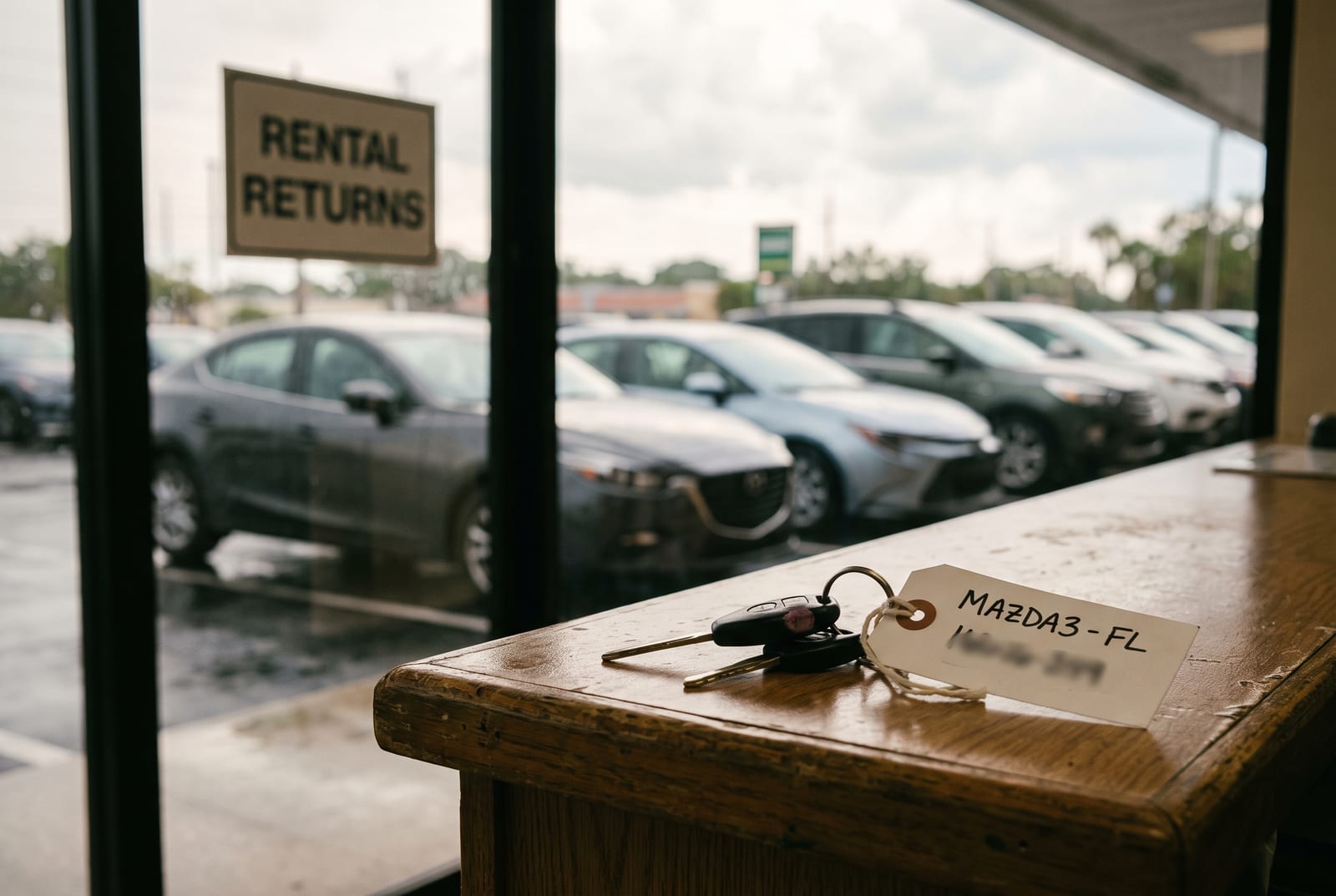
If you do not have personal auto insurance, you may have to purchase coverage from the rental car company. You cannot legally rent a vehicle in Florida without having insurance.
Proving Your Case at Trial
In order to prevail at trial, you must prove the elements above by a preponderance of the evidence (in other words, show that it is more likely than not that the Defendant was negligent). You may need to hire experts, such as medical doctors, to establish the extent of your injuries and the present and future costs of treatment. You will also need to gather evidence concerning the Defendant's allegedly negligent action, which may involve taking statements from him under oath (depositions) or getting physical custody of evidence (through the use subpoenas).
Does the Rental Car Company Ever Have Liability in an Accident?
As stated, the car rental company generally avoids liability for accidents under Florida law. Exceptions apply, however.
If the rental car company was negligent in maintaining the car, and this negligence caused the accident, then the company is liable for the damages to the other vehicle and injuries sustained by its driver. However, you may still be held liable for damages to the rental car pursuant to the rental contract you signed with the rental car company.
Also, most rental car companies offer insurance coverage to consumers. This coverage generally shifts liability to the rental car companies for damage caused in an accident, and is mandatory for consumers who do not have their own auto insurance. For consumers who already have auto insurance, this insurance is usually not necessary nor cost-effective. However, it may supplement your auto insurance coverage in certain situations. Policies offered vary, so it is important to check the fine print to determine what is and is not covered.
Credit Card Insurance
Many credit cards offer some form of free rental car insurance to a consumer who pays for the rental car with the credit card, typically for damage to or theft of the rental car. This insurance usually kicks in after your personal auto insurance pays. This secondary coverage is potentially valuable as it may reimburse you for your auto insurance deductible.
Also, some credit cards offer primary coverage for rental cars, meaning it pays out first, so it is important to check with your credit card issuer on the applicable insurance for rental cars.
How a Personal Injury Lawyer Can Help You
If you have been injured in a rental car accident, a personal injury lawyer help you to enforce your rights. A lawyer can help you obtain key evidence to prove your case. Also, he can contact the at-fault party's insurance company on your behalf and ensure that it pays the damages for which it is liable. John Clarke is an experienced personal injury lawyer who handles rental car accident cases.
Injured in a rental car accident? Call personal injury attorney John Clarke at (954) 556-8952 today for a free consultation.
This article is general information, not legal advice. For guidance on your own situation, schedule a free consultation with John Clarke.