
Getting Paid for Your Automobile Accident Injuries

Florida law only requires drivers maintain minimal insurance to cover the costs of treating accident-related injuries. There are several types of insurance which pay these expenses. Pursuant to Florida's no-fault insurance scheme, the primary insurance that pays for a vehicle owner/occupant's injuries is his own personal protection insurance. Once this coverage is exhausted, the the party that caused the accident, and his bodily injury insurance, becomes liable to pay the injured party's medical bills. Finally, a vehicle owner may purchase uninsured motorist insurance to that will pay for injuries caused by another driver when that driver is uninsured or underinsured.
Personal Injury Protection
Florida has a "no-fault" insurance scheme which requires all drivers to maintain personal injury protection insurance (PIP). This insurance is designated by statute to be the primary payment source for automobile occupants' injuries, and must be exhausted before other insurance coverages for bodily injury can be tapped. Every owner and driver of an automobile carries a PIP policy that will be the first source of payment for injuries that he and his passengers (if they don't have their own PIP policies) sustain in an accident, regardless of who is at fault.
Pursuant to Florida Statute § 627.736, the minimal coverage that a Personal Injury Protection policy must provide is $10,000 per eligible claimant. Furthermore, it must cover at least 80% of the insured's medical expenses, and 60% of his lost wages.
Bodily Injury Liability Insurance
Bodily injury liability insurance pays for injuries to others that are caused by a vehicle owner/driver's negligence. Florida law does not technically require drivers to carry bodily injury liability insurance. However, there is a separate law that states that a party who has been involved in a serious accident or found guilty of certain traffic-related offenses must prove that he is "financially responsible", and this proof includes carrying bodily injury liability insurance of at least $10,000 per injured party and $20,000 per accident. For this reason alone, it is important that a driver maintain bodily injury liability coverage in these amounts.
There are several other good reasons to carry bodily injury liability insurance. First, accidents are expensive. According to a 2013 study, the average auto insurance claim for bodily injury in the United States was $15,443 and rising faster than the cost of living on a yearly basis. This amount is significantly higher than Florida's personal injury protection coverage limit of $10,000. If you cause an accident that results in injury to another driver, you will be personally liable for any medical bills of the injured party that insurance doesn't pay. Therefore, I recommend that a driver purchase at least $100,000 per person and $300,000 per crash of bodily injury insurance to protect himself from these financial risks.
Another reason to carry bodily injury coverage is that an insurer will require that you have this coverage in place before it will sell you uninsured motorist insurance. Uninsured motorist insurance will reimburse you for injuries sustained in an accident caused by another driver, when that driver lacks sufficient bodily injury insurance to cover them. Since Florida law doesn't require drivers to carry any bodily injury liability insurance, many do not. So, it is frequently the case that drivers at fault in Florida accidents do not have insurance to cover injured parties. Therefore, buying UM coverage is an important way that a Florida driver can insure his accident injury-related costs are reimbursed regardless of the other driver's insurance status.
What Expenses will Bodily Injury Liability Insurance Cover?
Bodily injury liability insurance generally covers all economic damages for an accident victim's injuries, including medical bills, lost wages, funeral expenses, and legal fees. It will not, however, pay for special damages such as pain and suffering, loss of quality of life, and loss of consortium.
Can You Sue Another Driver Directly for Your Injuries?
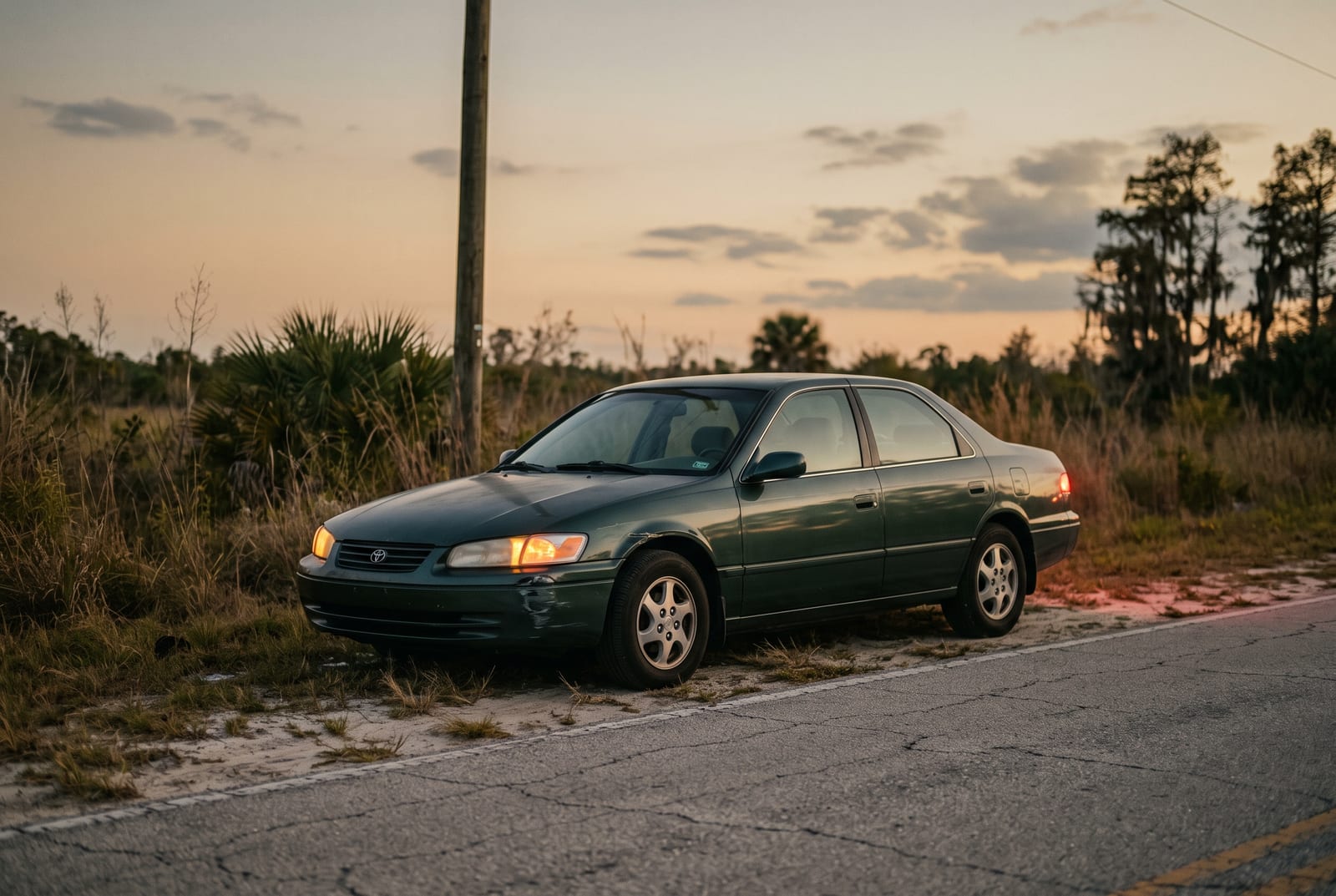
Yes, vehicle operators have a duty of care to obey all traffic laws and drive with reasonable care. They can be sued if they negligently cause an accident that injures others. An injured party will have to prove that the offending driver breached his duty of care, that the breach caused him injury, and the amount of damages he suffered as a result, in order to win his lawsuit.
It is important, however, to consider a defendant's financial resources before commencing a lawsuit. Most people don't have a lot of liquid assets to pay a potential judgment. Moreover, Florida's homestead law protects people's homes from being sold to compel payment of debts such as judgments for personal injuries. So, often it is not worth suing other drivers even when you can prove their negligence.
Florida law also restricts the damages that a party injured in an automobile accident may recover in lawsuit in an important way. Florida Statute § 627.737 exempts owners and occupants of vehicles who cause accident from liability to pay victims non economic damages (pain and suffering, loss of enjoyment of life, punitive damages) unless the victim suffered a catastrophic injury. This statute defines a catastrophic injury as one which causes:
- significant and permanent loss of an important bodily function
- permanent injury
- death, or
- significant or permanent disfigurement or scarring.
This restriction sharply reduces the financial recovery of most parties injured in automobile accidents in Florida.
The Four Elements of Negligence in Florida
Negligence occurs when an individual fails to exercise the level of reasonable care expected to minimize the risk of harm to others. In Florida, negligence laws not only define what constitutes a claim but also outline the types of damages a plaintiff may pursue. The four essential elements of negligence in Florida are duty of care, breach of duty, causation, and damages. Here's a breakdown:
- Duty of Care – This refers to the legal obligation a person has to act (or refrain from acting) in a certain way based on their relationship to others. For example, every driver has a duty to operate their vehicle safely and in accordance with traffic laws to protect others on the road. Similarly, a business owner has a duty to take reasonable measures to keep their premises safe for visitors.
- Breach of Duty – A breach occurs when someone fails to uphold their duty of care. For instance, a driver breaches this duty by speeding, tailgating, or being distracted while driving. A business owner breaches their duty by neglecting to promptly clean up a spill or fix a leaking freezer that creates a hazard in a walkway.
- Causation – Causation links the breach of duty directly to the harm suffered. While it might seem straightforward, determining causation can be complex, especially in cases involving multiple parties or factors. To establish causation, it must be shown that the breach of duty logically and foreseeably led to the injury or damage.
- Damages – Finally, the plaintiff must demonstrate that they suffered compensable injuries or losses due to the breach of duty. This can be proven through evidence like medical bills, lost wages, or property damage assessments. Additionally, non-economic damages such as pain and suffering or loss of enjoyment of life are also recoverable under Florida law.
Proving Your Case at Trial
In order to prevail at trial, you must prove the elements above by a preponderance of the evidence (in other words, show that it is more likely than not that the Defendant was negligent). You may need to hire experts, such as medical doctors, to establish the extent of your injuries and the present and future costs of treatment. You will also need to gather evidence concerning the Defendant's allegedly negligent action, which may involve taking statements from him under oath (depositions) or getting physical custody of evidence (through the use subpoenas).
Summary
In summary, the laws that govern insurance for injuries in automobile accidents in Florida are quite complicated. Florida's no-fault insurance scheme provides that an injured party must first claim against his own PIP policy before seeking recovery from other sources. The law does not mandate drivers to carry enough insurance to cover the average cost of an automobile related injury. Therefore, all drivers should carry bodily injury liability and uninsured motorist insurance in order to financially protect themselves.
If you have been injured in an automobile accident, call John Clarke at (954) 556-8952 for a free consultation concerning your legal rights.
This article is general information, not legal advice. For guidance on your own situation, schedule a free consultation with John Clarke.