
What Can We Learn From Robin Williams?
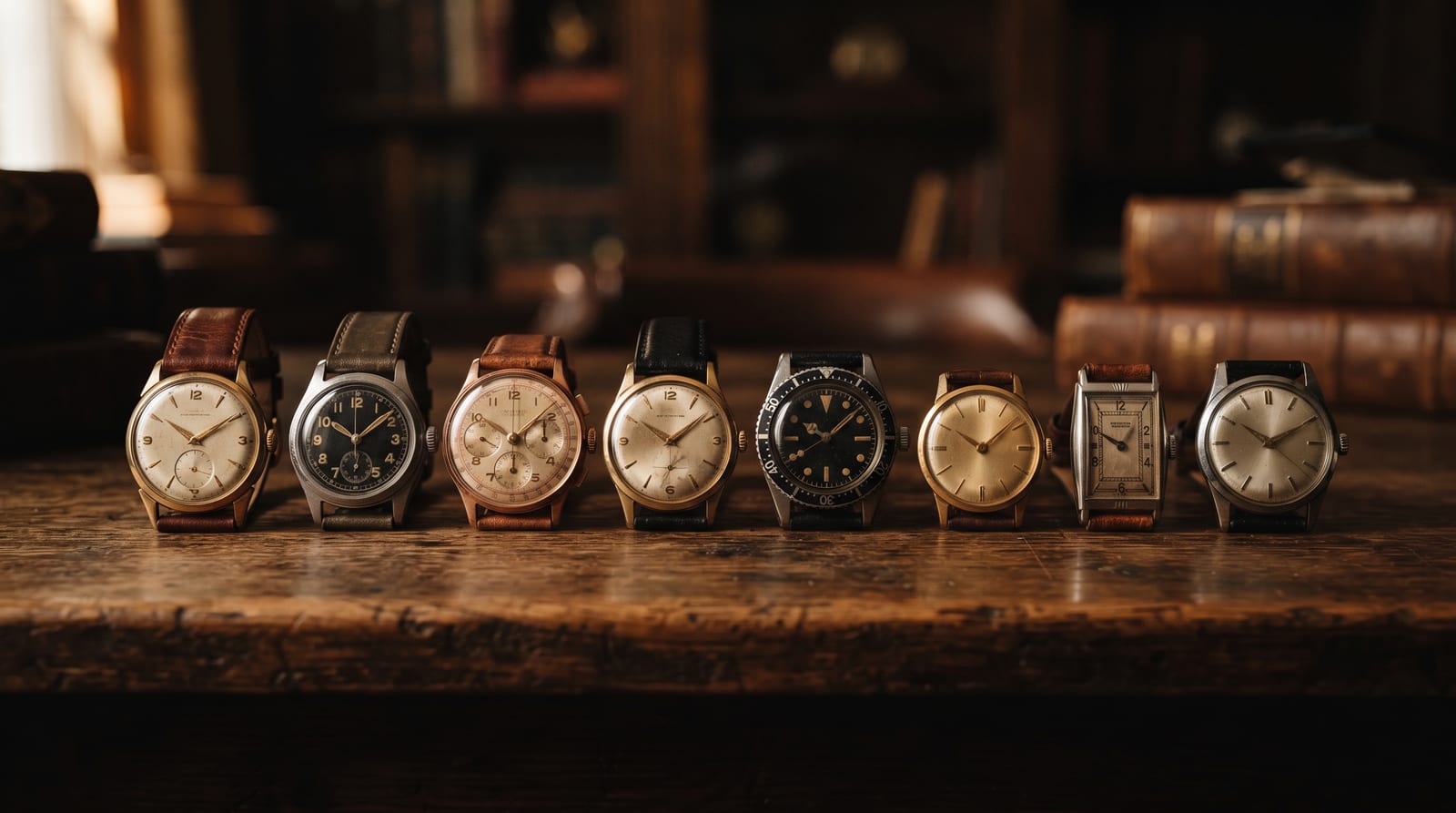
Robin Williams did almost everything right. He had a sophisticated estate plan, with trusts for his children and provisions for his wife. But the plan never spelled out who got which personal belongings, and after his death his widow and children ended up in court fighting over his watches, memorabilia, and the contents of his home. The lesson: even a strong plan can unravel over the small, personal things if you do not name them specifically.
What did Robin Williams' estate plan look like?
He had a well-built plan. He set up trusts for his three children and made provisions allowing his wife, Susan Schneider, to remain in their California home. On the big questions of money and real estate, the plan worked as intended. This was not a story of someone who failed to plan. It was sophisticated planning that fell short in one specific place.
So what went wrong?
The fight was over tangible personal property, his belongings. The plan left his children his "clothing, jewelry, memorabilia, awards, and personal photos," while giving his wife the home and its contents. The trouble was that these categories overlapped and were never defined. Did "jewelry" include his collection of more than eighty watches? Did "memorabilia" mean only items from his entertainment career, or everything he had collected? Did "contents of the home" include things kept in storage elsewhere? With the terms left open, his widow and his children read them differently, and the disagreement went to probate court and mediation.
How it was resolved
After roughly a year of legal wrangling, the family reached a settlement in 2015 on undisclosed terms. His children received the majority of the disputed items, including dozens of bicycles, more than eighty watches, and his Academy Award. His wife kept a handful of deeply personal things, such as a watch he often wore and the bicycle from their honeymoon. They got there in the end, but only after time, legal fees, and public strain that a few clear sentences could have prevented.
The real lesson: name the small things
Estate plans usually get the big assets right. Where they tend to fail is the tangible personal property: the watch, the ring, the painting, the family heirloom. These items carry emotional weight far beyond their dollar value, and vague language like "my jewelry to my children" is exactly where families end up in conflict. The fix is simple. List specific items and who receives them, and define your terms so there is no room for interpretation.
How this works in Florida
Florida makes this straightforward. Your will can refer to a separate written list that names who receives your specific tangible personal property, things like furniture, jewelry, art, and collectibles. You can write and update that list yourself, without having to redo your will each time you change your mind. It is one of the simplest ways to prevent exactly the kind of dispute the Williams family went through.
Frequently asked questions
What is tangible personal property? Your physical belongings, furniture, jewelry, watches, art, collectibles, cars, and family heirlooms, as opposed to money, real estate, or financial accounts.
How do I decide who gets specific personal items in Florida? Florida lets your will reference a separate written list of tangible personal property. You keep it with your will and can update it over time without rewriting the will itself.
Why do families fight over personal property more than money? Because these items carry memories and sentiment that money does not, and because vague wording lets each person interpret "his jewelry" or "her collection" in their own favor.
At Clarke Law, P.A., I help South Florida families put plans in place that cover both the big assets and the personal ones, so your family inherits your wishes, not a dispute. Your first consultation is free.
This article is general information, not legal advice. For guidance on your own situation, schedule a free consultation with John Clarke.